Complete wastewater services

Plant upgrades & maintenance

If your plant struggles with changing loads, equipment failures, or daily operation, start with a review of what is happening. Aquenvia develops an improvement scope around the existing process and assets.

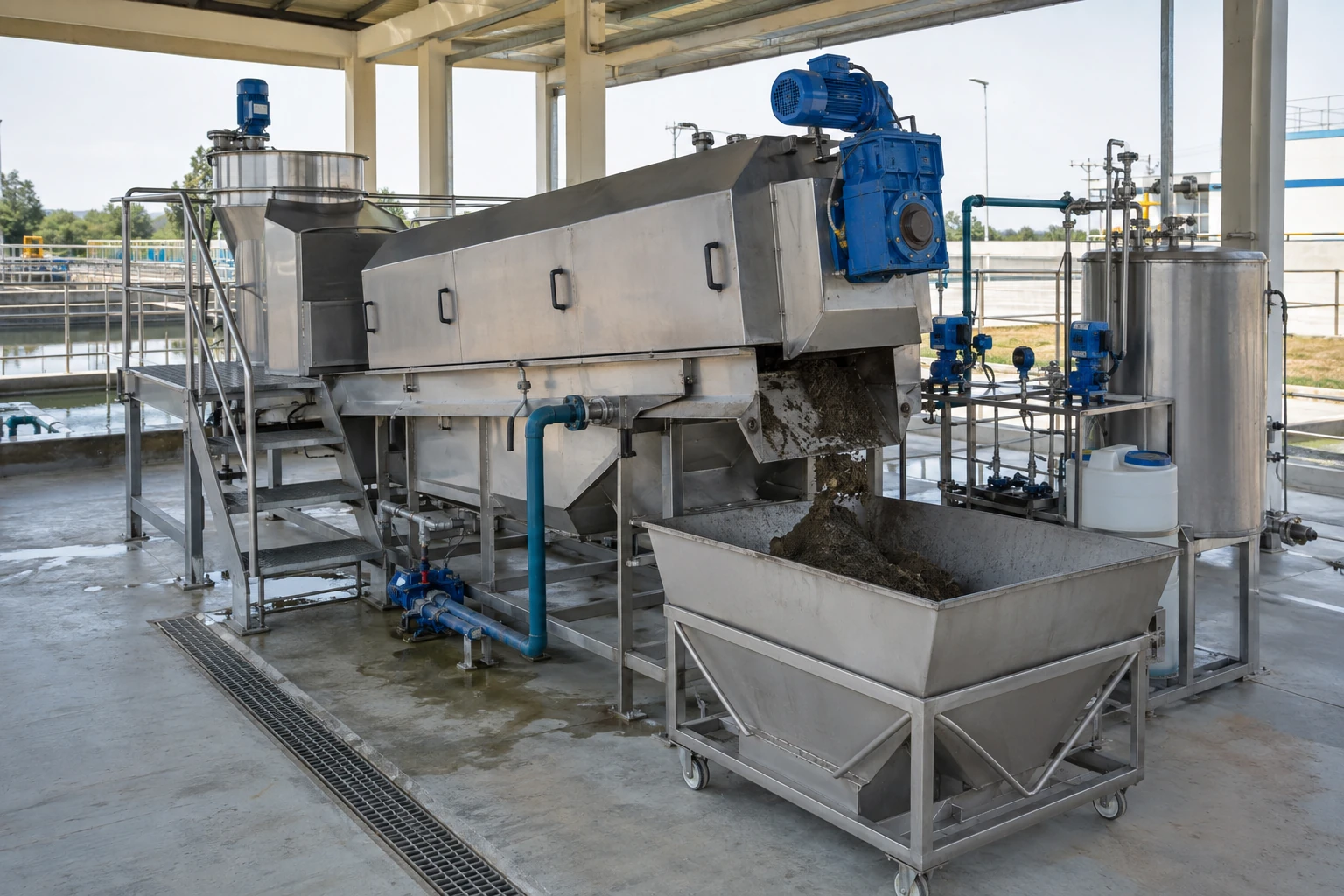
Illustrative sludge dewatering equipment within a treatment facility
Plant equipment · Illustrative concept
01

Assess the existing plant

Review treatment data, equipment condition, operating practices, and current loading. The first goal is to understand the cause of the problem and identify useful next steps.

  • Site survey and operating discussion
  • Flow and laboratory data review
  • Mechanical and electrical condition review
  • Capacity and process bottleneck assessment
02

Prioritize the improvements

Compare repair, replacement, process changes, and expansion against the required outcome. Where practical, sequence works around continued plant operation.

  • Aeration, pumping, and controls
  • Tank and process rehabilitation
  • Sludge thickening and dewatering
  • Capacity additions and polishing
03

Support reliable operation

Define a maintenance or operating support arrangement around the plant, staffing, and required service coverage. Visits, consumables, spare parts, and response arrangements are agreed in the scope.

  • Preventive maintenance planning
  • Operator training and troubleshooting
  • Equipment servicing coordination
  • Operating records and performance reviews
05

Adding tertiary filtration to an existing STP?

Use the disc-filter selection and quotation guide to check effective area, peak flow, solids upsets, available head, wash-water return, bypass protection and downstream UV or reuse duty before choosing a retrofit.

06

Investigating blower pressure, heat or energy use?

Use the roots-blower selection and acceptance guide to compare measured airflow, pressure, power and temperature with the diffuser grid, hot-weather inlet conditions, controls and standby requirement before replacing equipment.

08

Assessing an existing primary clarifier?

Use the primary-clarifier sizing and operating guide to compare actual peak flow, solids capture, sludge concentration, scum, scraper condition, withdrawal records and tank survey before replacing the mechanism or adding chemicals.

09

Checking RAS or WAS pump performance?

Use the RAS and WAS pump selection guide to separate return and wasting duties, verify solids and flow calculations, develop the system curve and test pumps, controls, flowmeters and standby operation.

10

Replacing a blocked or underperforming sewage pump?

Use the submersible sewage pump selection guide to review measured flow and head, the system curve, wet-well levels, solids, screening, controls, valves, lifting and standby operation before selecting a replacement.

11

Reviewing a dry-installed wastewater pump station?

Use the dry-installed wastewater pump selection guide to compare measured duty with the system curve, check suction and available NPSH, inspect flood protection, drainage, pipe strain, controls and access before replacing a pump.

12

Investigating sludge-pump wear, blockage or low output?

Use the progressive cavity pump selection guide to calculate the real sludge flow, compare speed with measured output and check inlet supply, rotor, stator, seals, dry-run protection, pressure trips and downstream interlocks before replacing the pump.

13

Reviewing a rotary lobe sludge pump?

Use the rotary lobe pump selection guide to calculate sludge flow and speed, check solids passage, clearances, wear parts, seals, dry-run and pressure protection, and define measured acceptance before replacing the pump.

14

Investigating a slow or unstable filter press cycle?

Use the filter press feed pump selection guide to compare the measured flow-pressure profile, sludge condition, conditioning, cloth resistance, pump control, trips and complete-cycle acceptance before replacing equipment.

15

Improving an existing belt filter press?

Use the belt filter press selection and operating guide to compare measured hydraulic and solids loading, polymer, belt speed, wash water, tracking, cake, filtrate and operator records before replacing the press.

16

Investigating centrifuge vibration, wear or poor separation?

Use the decanter centrifuge selection and operating guide to compare measured hydraulic and solids loading, sludge and polymer trials, torque, cake, centrate, power, vibration, wear and service records before changing settings or replacing equipment.

17

Investigating a gravity thickener?

Use the gravity sludge thickener selection and operating guide to compare measured solids and hydraulic loading, settling, underflow, supernatant, blanket, rake torque, odour and recycle effects before modifying the tank or mechanism.

18

Improving a rotary drum thickener?

Use the rotary drum thickener selection and operating guide to compare measured hydraulic and dry-solids loading, sludge and polymer trials, screen condition, washing, filtrate, thickened sludge, controls and downstream constraints before changing settings or replacing equipment.

19

Improving a gravity belt thickener?

Use the gravity belt thickener selection and operating guide to compare measured hydraulic and dry-solids loading, polymer trials, belt area, distribution, tracking, washing, filtrate, discharge and controls before changing settings or replacing equipment.

20

Improving a screw thickener?

Use the screw thickener selection and operating guide to compare hydraulic and dry-solids loading, sludge and polymer trials, screen condition, screw speed and torque, washing, filtrate, discharge and controls before changing settings or replacing equipment.

21

Investigating a lamella clarifier?

Use the lamella clarifier selection and operating guide to compare measured peak flow, solids, chemistry, distribution, plate fouling, outlet collection, sludge withdrawal and controls before cleaning, modifying or replacing equipment.

22

Investigating a blocked or unreliable inlet screen?

Use the mechanical bar-screen selection and operating guide to compare peak flow, clean and blinded hydraulics, debris and screenings records, rake capacity, jams, controls, standby, handling and safe maintenance access before modifying or replacing equipment. For smaller openings, MBR pretreatment, spray or brush cleaning, carryover and wash-water return, use the fine-screen troubleshooting and acceptance guide. For drum-specific feed distribution, active area, basket, seals and reject handling, use the rotary drum screen operating guide. For bent lamellae, bottom obstruction, screenings-carpet release or repeated ragging, use the step-screen operating and maintenance guide. For worn brushes, screw or liner wear, wash faults, repeated jams or poor compaction, use the screw-screen operating and maintenance guide.
SWS

Assess a static screen on representative wastewater

Use the static wedge-wire screen selection and operating guide to check effective area, peak loading, feed distribution, slots, blinding, cleaning, screenings handling, safe access and measured acceptance before selecting or replacing a passive screen.

SWC

Define screenings washing and compaction from measured feed

Use the screenings washer and compactor selection guide to check wet mass, loose volume, short-peak feed, washing and dewatering acceptance, drainage return, discharge, odour, controls and safe maintenance before selecting or modifying the handling train.

GRD

Confirm whether a grinder is the right blockage solution

Use the wastewater grinder and macerator selection guide to review protected equipment, representative solids, clean and loaded hydraulics, cutter duty, bypass, standby, controls, safe maintenance and measured acceptance before adding size reduction.

MBS

Check a manual bar screen as duty or standby

Use the manual bar-screen selection and operating guide to check clean and blocked hydraulics, measured screenings, cleaning response, safe raking access, isolation, standby and storage before installing or retaining a manually cleaned rack.

VGR

Define the complete vortex grit-removal train

Use the vortex grit-removal selection and operating guide to connect measured mineral load, particle duty and full flow range with chamber hydraulics, extraction, washing, civil works, controls, maintenance and measurable acceptance.

AGC

Check an aerated grit chamber as a complete process

Use the aerated grit-chamber selection and operating guide to connect flow range, retention, process air, blower pressure, grease duty, extraction, washing, civil works, controls and measurable acceptance.

GCW

Match grit classification and washing to the extraction cycles

Use the grit classifier and washer selection guide to connect measured mineral load and slurry peaks with washing acceptance, return-water duty, bin handling, controls, maintenance and quotation inputs.

Discuss your project or request a site survey.

Discuss your project
WhatsApp